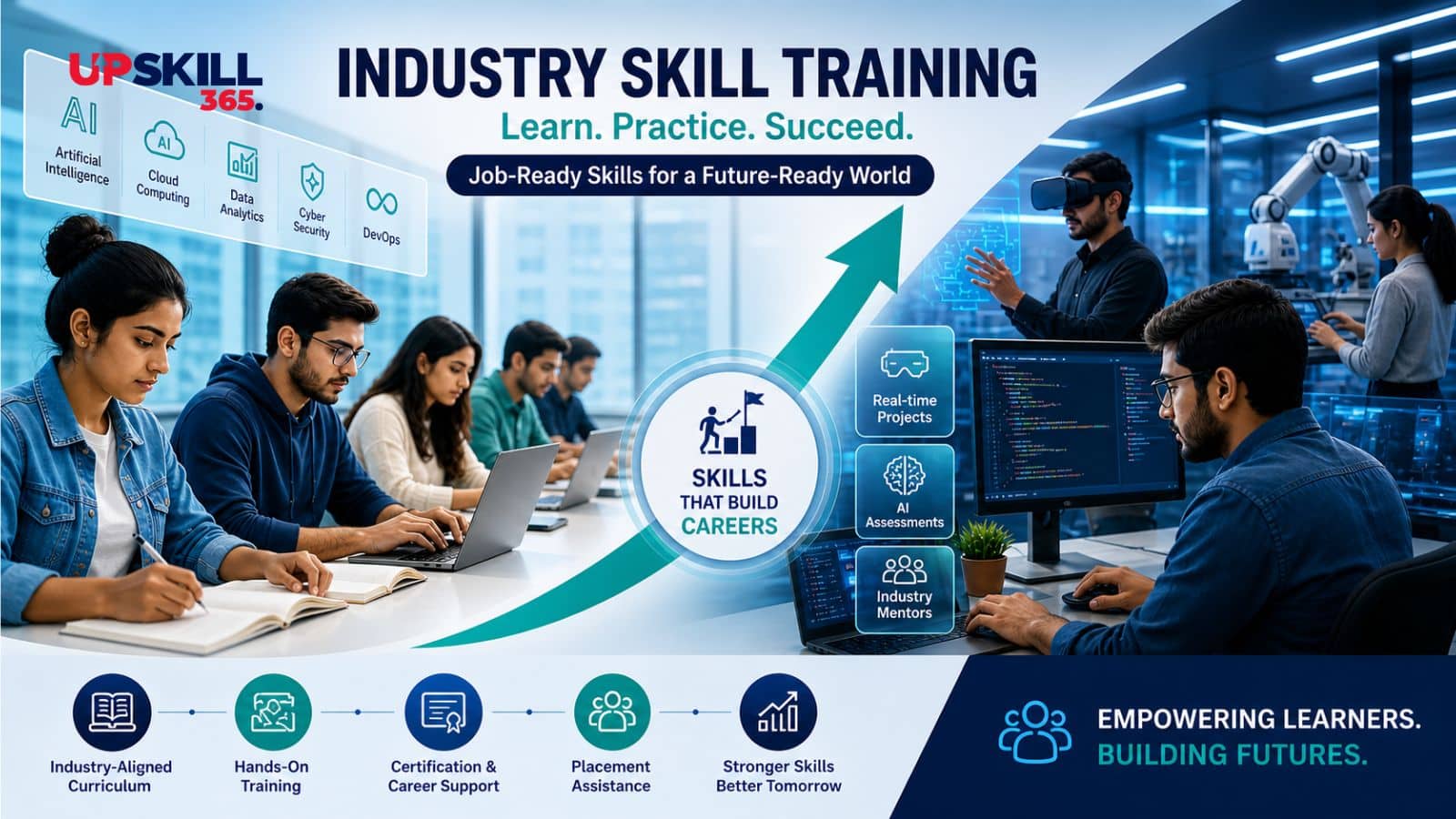
In the job market today Industry Skill Training is very important. It helps people learn the skills they need to get a job. This kind of training is not about learning in a classroom it is about getting hands-on experience.
Industry Skill Training is designed to teach people the skills that companies are looking for. It is not about book learning it is about being able to do the job. This kind of training is very important because it helps people get jobs and it helps companies find workers who’re skilled.
There are different kinds of Industry Skill Training. Some of it is done in a classroom some of it is done online. Some of it is done on the job. The goal of all of these kinds of training is the same to teach people the skills they need to get a job and to do the job well.
Industry Skill Training is very important for people who want to get a job. It is also very important for companies who want to find workers. This kind of training helps people learn the skills they need to get a job. It helps companies find workers who are skilled.
The concept of Industry Skill Training is to teach people the skills that companies are looking for. It is designed to help people get jobs and to help companies find workers. Industry Skill Training is not about learning it is about being able to do the job.
A designed Industry Skill Training program includes practical learning, simulations, workshops and real-time project exposure. This approach helps learners understand how industries operate and what employers expect from them.
In years the demand for Industry Skill Training has increased significantly. This is because companies are looking for workers who’re skilled and who can do the job. Industry Skill Training is designed to teach people the skills they need to get a job and to do the job well.
Moreover Industry training solutions have evolved to include technologies such as AI-based learning platforms, virtual simulations and cloud-based training modules. These innovations make learning more interactive, accessible and effective.
A dedicated Industry training centre plays a role in delivering these programs effectively. It provides an environment where learners can gain both theoretical insights and practical exposure under expert guidance.
In conclusion Industry Skill Training is very important. It helps people learn the skills they need to get a job. It helps companies find skilled workers. Industry Skill Training is not about learning it is about being able to do the job.
Importance of Industry Skill Training in Today’s Economy
The economy is always changing. New technologies are being developed all the time. This means that people need to have the skills to be able to work with these technologies. Industry Skill Training is very important because it helps people learn the skills they need to get a job.
One of the reasons Industry Skill Training is important is that it helps people learn the skills that companies are looking for. Many people who graduate from college do not have the skills that companies are looking for. Industry Skill Training helps people learn these skills.
From a perspective Industry Skill Training is very important. It helps companies find workers, which means that they can be more productive. When companies are more productive they can make money.
Another major factor is employability. In job markets candidates with Industry Skill Training are preferred over those without practical experience. This training enhances skills, problem-solving abilities and workplace readiness.
The rise of transformation has also made Industry training solutions more relevant than ever. Modern industries rely on technologies like intelligence, cloud computing and automation. Training solutions that incorporate these advancements help learners stay updated with evolving industry trends and requirements.
Furthermore governments and educational institutions are actively promoting Industry Skill Training initiatives to bridge the skill gap in the workforce. These initiatives aim to create a skilled labor pool that can support economic growth and global competitiveness.
An effective Industry training centre also contributes significantly to development by producing skilled professionals locally. This reduces migration for jobs. Strengthens the local economy.
In summary Industry Skill Training is very important. It helps people learn the skills they need to get a job. It helps companies find skilled workers. Industry Skill Training is not about learning it is about being able to do the job.
What is Industry Skill Training?
Industry Skill Training is a kind of training that helps people learn the skills they need to get a job. It is designed to teach people the skills that companies are looking for. This kind of training is not about book learning it is about getting hands-on experience.
At its core Industry Skill Training is about preparing people to meet the expectations of employers from day one. It involves training programs that are specifically tailored to industry standards ensuring that participants gain up-to-date skills.
A key aspect of Industry Skill Training is its approach. People are exposed to real-time scenarios, case studies and project-based learning which helps them understand how tasks are performed in work environments.
Industry Skill Training is delivered through formats, including classroom sessions, online modules, workshops, internships and on-the-job training. Many organizations rely on professional Industry training service providers to design and implement these programs effectively.
Modern Industry training solutions go beyond skill development by incorporating advanced technologies such as simulation tools, virtual labs and AI-driven learning platforms. These solutions create an engaging learning environment allowing trainees to gain experience without real-world risks.
An Industry training centre serves as the virtual space where these programs are conducted. These centres are equipped with the infrastructure, tools and expert trainers to provide a comprehensive learning experience.
In essence Industry Skill Training is an approach to learning that prepares people for specific roles within various industries. It ensures that people are not knowledgeable but also capable of applying their skills effectively in real-world situations.
Overview of Industry Training Service
An Industry training service is a platform that helps people learn the skills they need to get a job. These services teach people the things they need to know to work in the world not just what they learn in school.
Industry training services focus on teaching people the skills that companies really need, like IT and software development. They also teach people about cloud computing, cybersecurity and other new technologies that are becoming popular. The goal is to help people learn the skills they need to succeed, as well as the skills they need to work well with others.
One of the things about an Industry training service is that the things they teach are based on what people in the industry really do. They work with people who are already doing these jobs to make sure they are teaching the things.
They also try to teach people in ways like in a classroom or online. They might have people work on projects or do simulations to make learning fun and helpful.
Some Industry training services also use technologies like virtual labs and artificial intelligence to make learning better. They might also offer help with finding a job, like internships or certification programs.
An Industry training centre is where these programs are usually taught. They have the equipment and teachers that people need to learn.
In short an Industry training service helps people learn the skills they need to get a job in todays technology-driven world.
Understanding Modern Industry Training Solutions
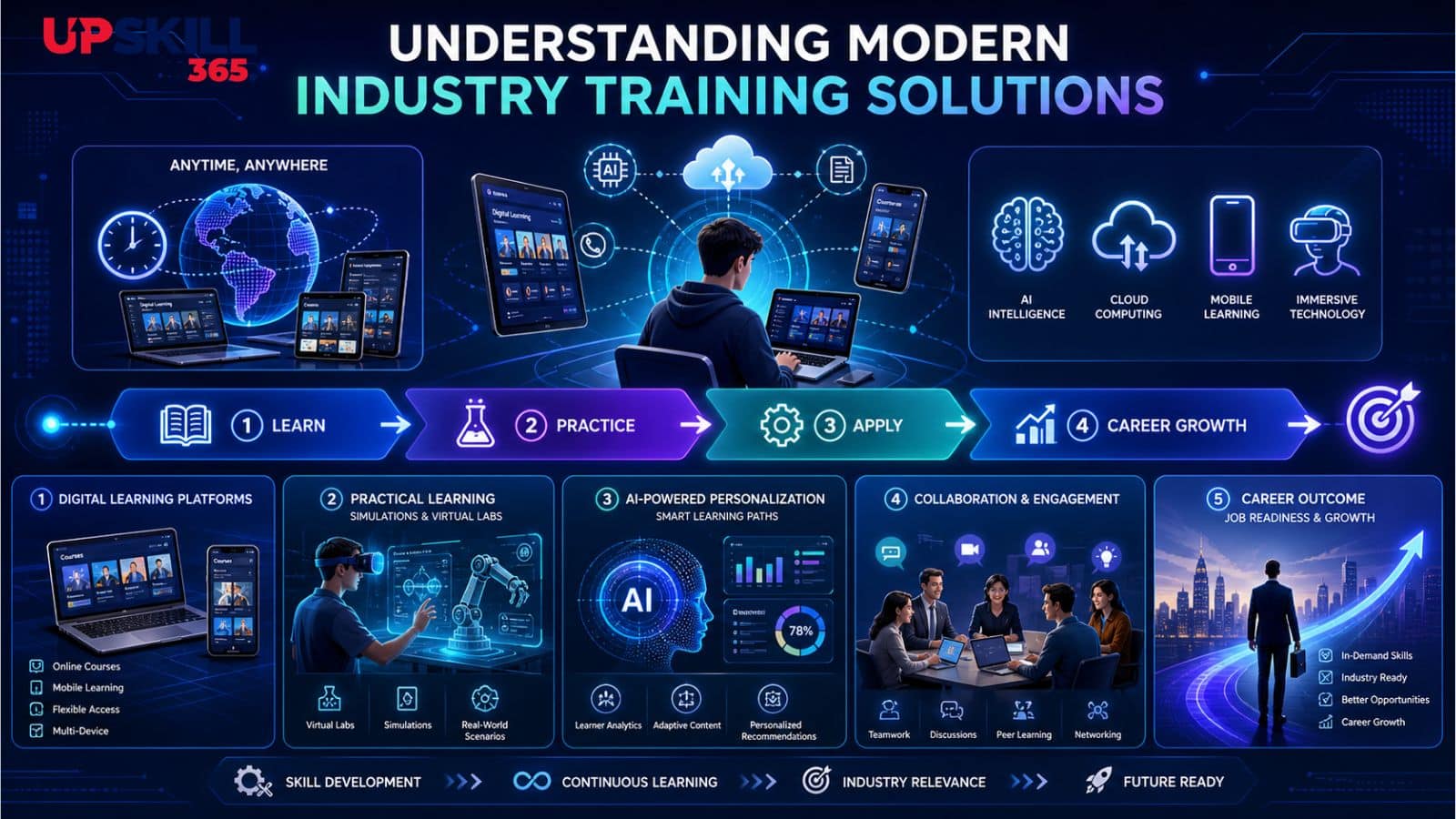
In todays changing world Industry training solutions are better than ever. They are more flexible. They really work. These solutions help people learn skills and they make sure that people can use these skills in the real world. As new technologies come out we need to make sure that people are trained to use them.
Industry training solutions are a combination of tools and methods that help people learn. They are not like the ways of teaching. These solutions focus on the person who is learning. They make sure that the person is engaged and that they can actually use the skills they are learning. When we combine these solutions with Industry Skill Training people learn a lot. They learn the theory. They also get to practice.
One of the things about modern Industry training solutions is that they use technology. People can learn online or on their phones. This means that anyone can learn, no matter where they are or what they are doing. It is especially helpful for people who are already working or who are in school.
Another important thing is that people get to practice what they are learning. They can use simulations and virtual labs to try out skills. This helps them learn faster. It also helps them to not be afraid to try new things. They can make mistakes. Learn from them without it affecting their real life.
Artificial intelligence is also changing the way we do Industry training solutions. It can test peoples skills. Find out what they need to work on. Then it can give them a plan to help them learn what they need to know. This makes sure that people are learning what they really need to know.
When people work together and help each other they learn more. That is why modern Industry training solutions include things like group projects and discussions. These things help people learn how to work and how to communicate. These are skills that people need to have to succeed.
A good Industry training service uses all of these things to help people learn. They make sure that people are learning what they need to know and that they are able to use what they learn.
An Industry training centre is a place where people can go to learn. It has all the things that people need to learn, like computers and labs. These centres are important because they give people a place to go to learn and to practice what they are learning.
In short modern Industry training solutions are changing the way we learn. They are using technology and personalization to help people learn faster and better. This is helping people to be more successful and to have careers.
Role of an Industry Training Centre in Skill Development
An Industry training centre is a place where people can go to learn skills. It is very important because it helps people get the skills they need to succeed.
The centre provides people with the things they need to learn, like classrooms and labs. It also has teachers who’re experts in what they are teaching. This helps people learn faster and better.
One of the things that an Industry training centre does is to provide people with a clear path to learning. It starts with the basics. Then moves on to more advanced things. This helps people learn in a way that makes sense.
The centre also helps people develop skills, like communication and teamwork. These skills are very important because they help people work well with others.
Another important thing that an Industry training centre does is to give people experience in the world. It does this through projects and internships. This helps people learn how to apply what they are learning.
Modern Industry training solutions are often used in these centres. They help people learn in a way that’s interactive and fun.
A company that provides Industry training services often works with these centres. This helps make sure that people are learning what they need to know.
The centre also helps people with their careers. It provides certification programs. Help with finding a job. This helps people succeed in their careers.
In short an Industry training centre is very important. It helps people learn skills and succeed in their careers.
Benefits of Industry Skill Training for Students
For students Industry Skill Training is very helpful. It gives them the skills they need to succeed in their careers.
One of the benefits is that it helps students get jobs. Employers want people who have skills and experience. Industry Skill Training gives students both.
It also helps students develop skills that they can use in the world. They learn how to use tools and technology that are used in their field. This helps them to be able to do their job
Students who undergo Industry Skill Training are more confident. They have learned how to do things. They are not afraid to try new things.
The training also uses technology like virtual labs and artificial intelligence. This makes learning fun and interactive.
An Industry training centre is a place for students to learn. It has all the things they need to learn. It provides a supportive environment.
Industry Skill Training also helps students figure out what they want to do with their lives. They get to try out things and see what they like. This helps them make decisions about their careers.
In short Industry Skill Training is very helpful, for students. It gives them the skills and confidence they need to succeed in their careers.
Benefits of Industry Skill Training for Companies
In todays business world companies need to be competitive. This is why they are starting to see the value of Industry Skill Training. It is an investment for companies. When companies invest in their workers through training they get better at their jobs. They can work efficiently and come up with new ideas. This helps the company as a whole.
Industry Skill Training is good for companies because it helps employees do their jobs better. When employees have the skills they can do their work more efficiently and make fewer mistakes. This makes the company better. Helps it succeed. Many companies work with training providers to get the training they need.
Industry Skill Training also helps new employees get up to speed faster. When new employees are hired they usually need a lot of training before they can start working.. If they have already had Industry Skill Training they can start working sooner. This saves the company time and money.
Companies that invest in Industry Skill Training also have employees. When employees feel they are continuously developing their skills, they are more likely to remain loyal to the organization. Industry Skill Training helps employees learn things and get better at their jobs. This helps them feel good about their work and want to stay with the company.
Industry Skill Training is also important for companies because it helps them stay competitive. When employees are skilled they can adapt to technologies and changes in the industry. This helps the company stay ahead of the game. Training programs that use tools and techniques help employees stay up to date.
Some companies have their training centers. These centers provide training programs for employees. They offer workshops and hands-on training that align with the companys goals. Whether its training employees or helping current employees learn new skills these centers are important.
Industry Skill Training also helps companies follow industry rules and regulations. When employees are well-trained they know what they need to do to follow the rules. This helps the company avoid risks and run smoothly.
In short Industry Skill Training is good for companies. It helps them work better saves them money and makes their employees happy. By working with training providers and using training solutions companies can build a strong team that will help them succeed.
Role of Technology in Industry Skill Training
Technology is changing the way Industry Skill Training works. It is helping companies train their employees in better ways. In todays age technology is a big part of every industry. This is why training programs need to include technology.
One of the ways technology is changing Industry Skill Training is by making it possible to learn online. This allows employees to access learning resources anytime and from any location.
It also means companies can train employees at the same time.
Technology is also being used to create labs and simulations. These allow employees to practice their skills in an environment. This helps them learn. Remember what they have learned.
Artificial intelligence and data analysis are also being used in Industry Skill Training. These tools can look at how employees are learning and find areas where they need more help. They can then provide training to help employees learn what they need to know.
Technology is also making training more engaging. It uses things like games and quizzes to keep employees interested. This helps them learn. Remember what they have learned.
Some training centers are using the technology to provide better training. They have classrooms and digital labs that allow employees to use the latest tools and equipment.
Technology is also helping companies provide training to their employees. This means employees can keep learning and growing even after they have completed their training.
In short technology is playing a role in Industry Skill Training. It is making it possible for companies to provide training to their employees. It is also helping employees learn and grow in their careers.
Types of Industry Skill Training Programs
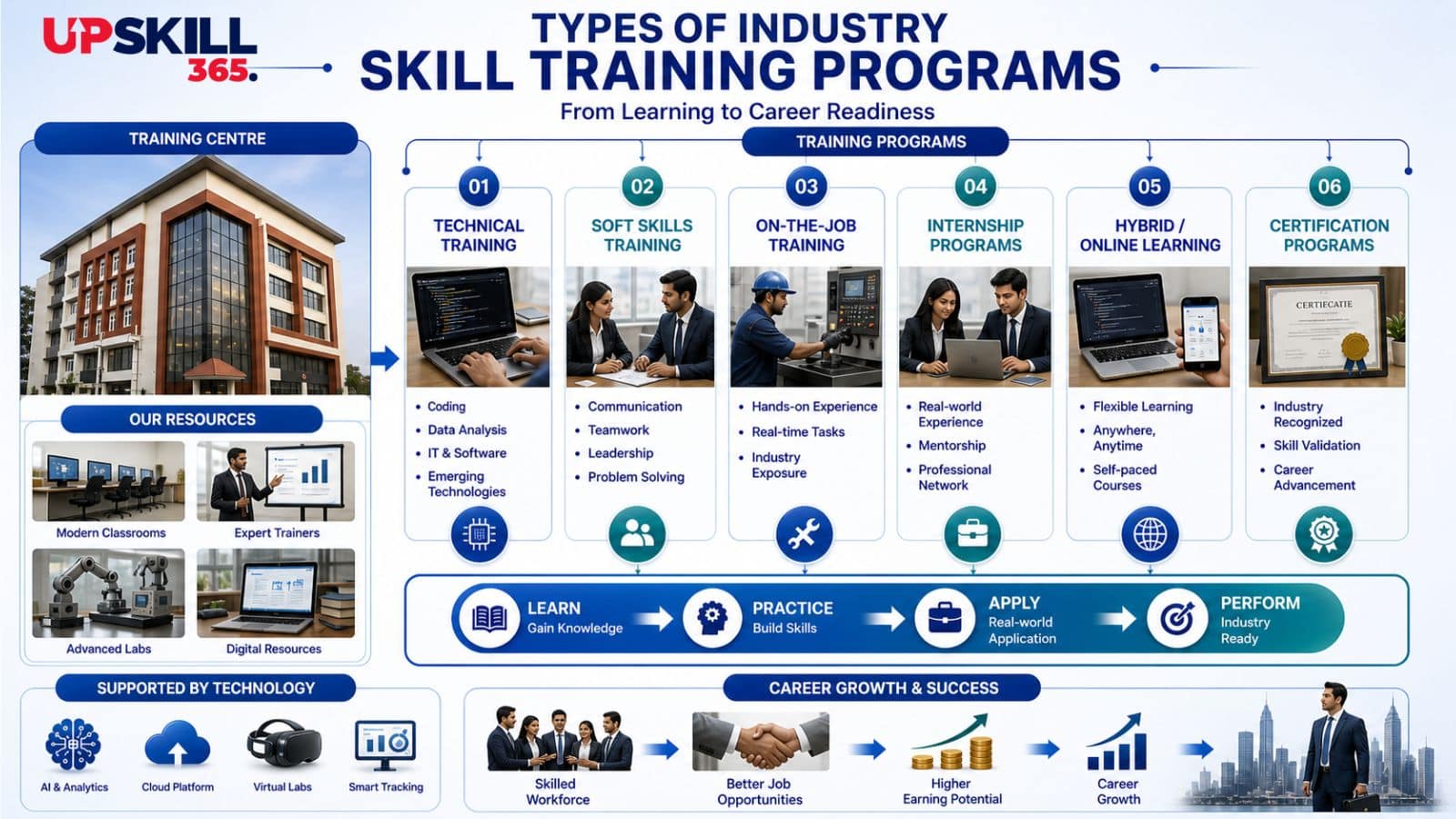
There are different types of Industry Skill Training programs. They are designed to help people learn the skills they need for jobs, especially in technology.
One type of program is training. This teaches people the skills they need to do a job, like programming or data analysis.
Another type is skills training. This helps people learn how to work with others communicate well and solve problems. These skills are important for succeeding in a career.
Some programs also offer on-the-job training, where people learn by doing the work. This helps them understand how things work in the world.
Internship programs are also popular. They give people a chance to work in a real-world setting and gain experience.
Some Industry training services also offer hybrid programs. These allow people to learn at their pace from anywhere.
Certification programs are another type of program. They give people a credential that shows they have the skills they need for a job.
An Industry training centre is important for making all these programs work. They provide the equipment, teachers and support that people need to learn.
In conclusion there are different types of Industry Skill Training programs. They help people learn the skills they need for a career. They give companies a way to find skilled workers. Industry training services, like Industry training services play a role, in helping people succeed.
Choosing the Right Industry Training Service
To get the Industry training you need to pick the right service provider. This is a decision because it affects how well you learn. There are options so you have to think about a few things to find the one that is right for you. A good provider can really help you develop your skills and get a job.
First you should look at the training programs they offer. These programs should be related to what’s happening in the industry right now. This way you can be sure that what you learn is useful in the world. You should check the curriculum to see if it includes hands-on projects and real-life examples.
Another important thing is the experience of the trainers. Trainers with real industry experience can deliver more practical and effective learning. They can give you examples from their experience and help you understand why things are done in a certain way.
The provider should also use training methods. This includes things like labs, online platforms and tests that use artificial intelligence. These tools make learning fun and help you stay up to date with the latest technology.
The place where you learn is also important. The training centre should have classrooms, labs and equipment. This is true whether you are learning online or in person. Having the right equipment helps you learn better.
Help with finding a job is another thing to consider. Some providers can help you with internships, job placements and getting ready for interviews. This makes it easier for you to get a job after you finish your training.
You should also read what other people say about the provider. This can give you an idea of how good they’re if their training is effective.
The cost of the training is important too. You want to make sure you get training without spending too much money. Some providers offer time or online programs which can be more flexible.
In short choosing the Industry training service provider involves thinking about many things, like the curriculum, the trainers, the technology they use and the help they offer with finding a job. If you pick a provider you can get the most out of your Industry training and achieve your career goals.
How to Implement Industry Training Solutions
To make Industry training work you need a plan. This plan helps you get the results you want and makes sure the training is useful in the world. Here are the steps to follow:
First you need to figure out what skills you are missing. This means looking at what you can do and what you need to learn. Many providers use tools to do this.
Next you design the training program. This includes both theory and practice. You work with industry experts to make sure the training is relevant.
Then you decide how to deliver the training. This can include classroom sessions, online learning and real-life projects. A good training centre is important for this.
After that you start the training. During this time you get support from trainers and mentors. They help you learn and make sure you understand everything.
It is also important to track how well you are doing. This means taking tests and getting feedback. This helps you see what you need to work on.
Finally you get a certificate when you finish the training. This shows that you have the skills and knowledge you need.
To keep getting better you need to keep learning. This means getting feedback from learners and industry experts and using it to improve the training.
In short implementing Industry training solutions involves steps from figuring out what you need to learn to getting a certificate and keeping your skills up to date. If you follow these steps with a provider and a well-equipped training centre you can develop your skills and have better career outcomes.
Challenges in Industry Skill Training
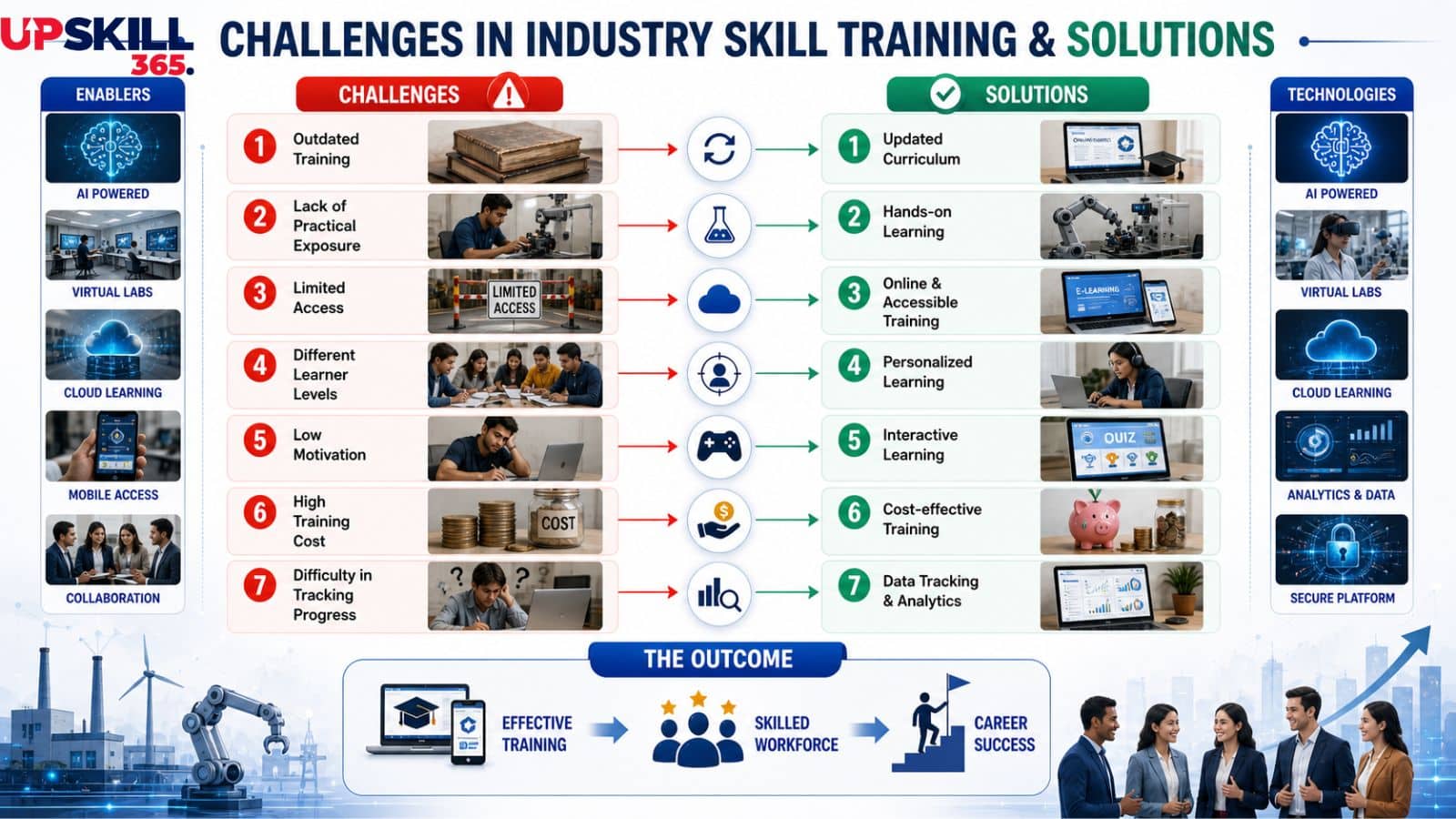
Industry training is very important. It also has some challenges. If you understand these challenges you can find ways to overcome them and make your training more effective.
One challenge is that the training may not be relevant to what’s happening in the industry. To fix this providers need to keep their training up to date and work with industry experts.
Another challenge is that learners may not get practical experience. To solve this providers can use things like labs and real-life projects.
Some learners may not have access to training facilities. To fix this providers can offer training and use technology to make it more accessible.
Learners are all different. Training needs to be personalized. Providers can use intelligence to make sure each learner gets the training they need.
Sometimes learners may get bored or lose motivation. To prevent this providers can make the training more fun and interactive.
Companies may not want to spend money on training.. If they work with a good provider they can get cost-effective solutions that really work.
Finally it can be hard to measure how well the training is working. To solve this providers need to track progress and use data to improve the training.
In short Industry training has some challenges. They can be overcome with the right strategies. By using training methods, personalized learning and good facilities providers can make sure their training is effective and helps learners achieve their goals.
Future of Industry Skill Training
The industry is changing fast. So is Industry training. The future of training is about making it more accessible, personalized and relevant to what is happening in the industry.
One trend is the use of intelligence and machine learning. These technologies can help learners get training and focus on what they need to improve.
Another trend is the use of augmented reality. These technologies can provide simulations and hands-on experience in a virtual environment.
There is also a shift towards hybrid learning. This means learners can access training anywhere and at any time and still get experience at a training centre.
Microlearning is another trend. This means breaking training into focused modules that are easy to understand and remember.
Finally there will be collaboration between industries and educational institutions. This will ensure that training is relevant and useful, in the world.
In short the future of Industry training is exciting and full of technologies and methods. By using these trends providers can make training more effective. Help learners achieve their career goals.
There is a focus on learning new things and getting better at what you do. As jobs change people need to update their skills to stay good at what they do. Companies that help people learn are now using a way of learning that lasts a lifetime, where people can always get training and learn things.
Companies are also teaching people to be sustainable. Do the right thing. They are adding training that focuses on being responsible taking care of the environment and making choices so people are ready for what is coming next.
In the end the future of Industry Skill Training is always. Uses a lot of technology. With technology like artificial intelligence, virtual learning and training that can be done at any time Industry training is getting better and easier to access. Companies that help people learn and training centers with facilities are making these changes happen and they will change how people learn new skills in the years to come.
Conclusion
In todays job market, where things are always changing Industry Skill Training is very important for having a career and building a good workforce. It helps people use what they learned in school in life get jobs and be more productive. Industry Skill Training makes a difference in many industries.
From what we talked about it is clear that learning from professionals who teach Industry skills helps people get the skills they need to do their jobs. With the help of technology people can learn in a way that is interactive, flexible and uses a lot of technology which is what companies need today. This way of learning not helps people learn better but also gets them ready for big changes in technology.
A good Industry training centre makes this work even better by giving people the place to learn the tools they need and expert teachers. Whether it is students just starting their careers or professionals who want to learn skills these centers help people keep learning and growing in their careers.
With challenges Industry Skill Training is better than ever because it is always changing and adapting to what people need. As things keep changing it will be more important for people to keep learning and getting new skills.
In the end getting Industry Skill Training is not something you can choose not to do. It is necessary for people and companies who want to be successful in the run. Companies, like UpSkill365 are helping people get high-quality Industry training, innovative ways of learning and a good place to learn. This supports individuals in reaching their career goals and succeeding in an ever-evolving job market.